Squirrels Cause Major Damage When They Get Inside
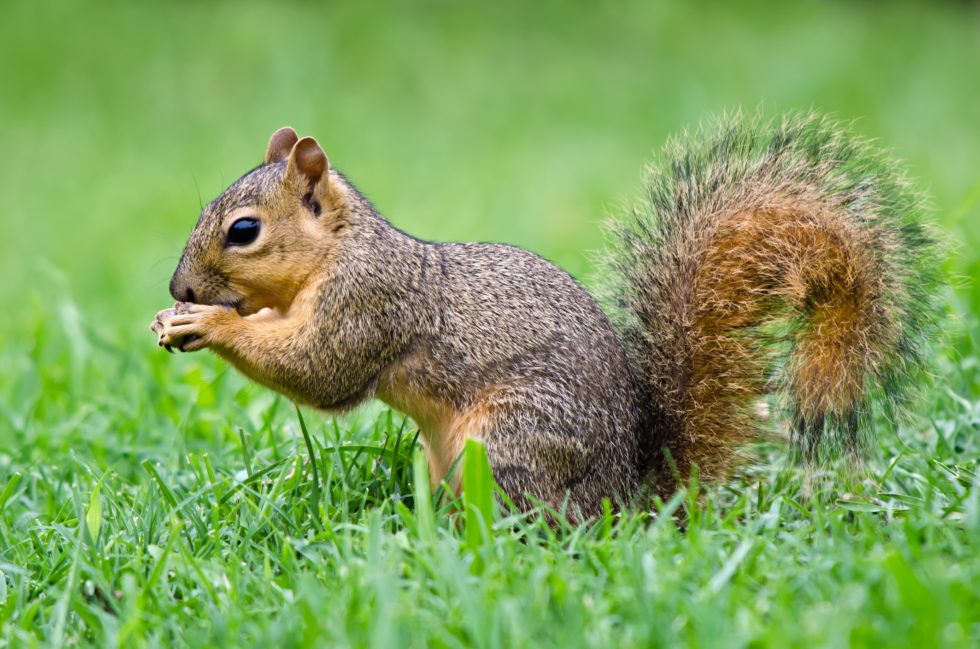
Squirrels are one of the most common attic intruders in South Jersey. Eastern gray squirrels and flying squirrels are both active throughout the region, and both are capable of entering through surprisingly small gaps in the roofline.
Many homeowners first notice squirrels from scratching overhead or repeated activity along the roofline. Once inside, squirrels chew entry points larger, tear apart insulation for nesting, and can gnaw through electrical wiring. Chewed wiring in an attic is a documented fire hazard, making timely removal a safety issue, not just a comfort one.
Ross Environmental Solutions has been resolving squirrel problems in South Jersey homes and businesses since 1992. We focus on proper removal, structural assessment, and the exclusion work needed to prevent repeat entry.
Scratching in your attic? Act before wiring damage creates a fire hazard. Call now: 1-888-399-7677
How Squirrels Enter Homes and the Damage They Leave Behind
How Squirrels Get Inside
Squirrels look for warm, protected spaces, especially during colder months and during their two breeding seasons in late winter and midsummer. Common entry areas include roof edges, soffits, gable vents, attic fans, and damaged fascia boards. A small weakness turns into a bigger opening quickly because squirrels chew to keep access.
Eastern gray squirrels are the most common species found in South Jersey attics. Flying squirrels, which are nocturnal, are more often identified by quiet nighttime sounds rather than the louder daytime activity of gray squirrels. Both species can be present in the same structure.
What You Might Hear or See
- Scratching, scurrying, or thumping sounds in the attic
- Activity early in the morning and around sunset
- Chewed wood along soffits, fascia, or roofline edges
- Insulation pulled apart or nesting material in attic corners
- Visible entry holes near the roofline or gable ends
- Squirrel droppings in the attic or along wall cavities
Damage That Adds Up
Squirrel activity is more than an annoyance. It creates real repair costs and safety concerns if it is not handled early. The National Fire Protection Association identifies rodent chewing as one of the leading causes of unknown-origin electrical fires. In attic spaces, wiring damage may not show obvious symptoms until a problem occurs.
- Chewed electrical wiring and junction boxes
- Damaged insulation that reduces energy efficiency
- Droppings and nesting debris throughout attic spaces
- Staining and odor that can spread through the home
What Our Team Does
A proper squirrel removal plan stops the current infestation and reduces the likelihood of new squirrels using the same entry points later. Our team handles inspection, removal, and exclusion recommendations.
- Full inspection of roofline, vents, soffits, and attic access points
- Targeted removal based on species and structure type
- Recommendations for sealing vulnerable areas
- Coordination with handyman services for structural repairs
- Guidance on preventing future entry attempts
Trusted Squirrel Removal Across South Jersey
Squirrel problems are often discovered late because the initial activity is easy to dismiss as normal house sounds. By the time homeowners call, there is frequently nesting, insulation damage, and at least one secondary entry point beyond the original breach. Our inspectors are trained to find them all.
See our complete wildlife removal services page for the full range of species we handle across South Jersey, from raccoons and skunks to vultures and bats.
We know the species and the structures. Founded locally in 1992.
We assess wiring access and help you understand the full extent of the damage.
Removal alone is not enough. We identify every entry point to stop the cycle.
If squirrels return after our service, we come back at no additional charge.
Squirrels in Your Attic? Call Today.
Ross Environmental Solutions serves all of South Jersey. The longer you wait, the more damage accumulates.