When Vulture Populations Become a Property Problem
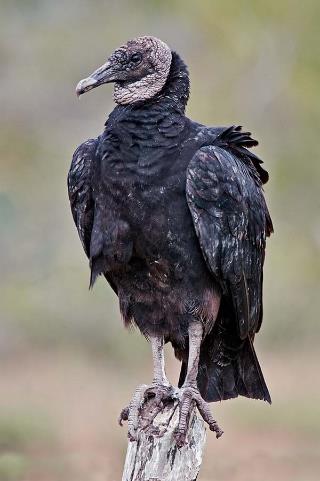
Vultures play an important role in the ecosystem by consuming carrion, but as populations of both turkey vultures and black vultures have grown across New Jersey, conflicts with homeowners, businesses, and agricultural operations have increased significantly.
Large vulture roosts, sometimes numbering in the hundreds, can cause serious structural and property damage. Their sharp beaks and claws combined with highly acidic stomach fluid create a combination that tears through rubber seals, roof caulking, shingle edges, and vehicle upholstery. Droppings accumulate rapidly on roofs, towers, and equipment, and the odor and visual impact can make outdoor spaces unusable.
Both species are protected under the federal Migratory Bird Treaty Act, which means their nests, eggs, and the birds themselves cannot be harmed without a federal depredation permit. Ross Environmental Solutions works within these legal boundaries to develop effective, site-specific management plans.
Vultures on your roof or property? Immediate action reduces structural damage. Call: 1-888-399-7677
Types of Vulture Damage and How We Address Them
Why Vultures Become a Problem
Black and turkey vultures are native to North America. They often form large communal roosts that persist in the same location year after year. Turkey vultures are more common throughout New Jersey and tend to be less aggressive around structures. Black vultures are expanding their range northward and are more likely to cause direct structural damage.
Both species are attracted to rooftops, communication towers, and elevated structures as roost sites. Once a roost is established, vultures typically return to the same location each season. Breaking an established roost requires a consistent, multi-method approach applied during the critical window before the birds fully settle in.
Types of Damage They Cause
- Tearing of window caulking, roof shingles, and vent seals
- Damage to rubber roof liners and EPDM membrane systems
- Ripped seat covers, scratched paint, and removed rubber seals on vehicles
- Accumulation of droppings on roofs, equipment, and communication towers
- Potential power outages from droppings on electrical infrastructure
- Contamination of water catchment systems near homes and farms
Legal Considerations
Vultures cannot legally be harmed, captured, or killed without a federal depredation permit issued by the USDA Wildlife Services. State and local restrictions may also apply. Any management strategy must operate within these legal parameters.
Ross Environmental Solutions is experienced in coordinating with the appropriate agencies when necessary and in developing management plans that are both effective and fully compliant.
How We Manage Vulture Conflicts
Our vulture management approach is site-specific. After a thorough property evaluation, we may use a combination of the following tools depending on the situation:
- Vulture effigies to humanely disperse active roosts
- Sound and light deterrents including pyrotechnics and lasers
- Motion-activated sprinklers for perimeter areas
- Inflatable air dancers for visual deterrence
- Anti-perching devices to protect roof edges and structures
- Habitat modifications to reduce roost site attractiveness
Site-Specific Vulture Management Done Right
Vulture management is one of the more complex wildlife challenges property owners face. The legal protections, the scale of roosting groups, and the persistence of established roost sites all require a professional strategy developed specifically for your property. Ross Environmental Solutions evaluates each situation individually and selects the tools most likely to produce durable results.
Vulture management is part of our broader wildlife removal services portfolio. If your property has multiple wildlife issues, we can evaluate them together and develop an integrated approach.
All management strategies comply with the Migratory Bird Treaty Act and applicable NJ regulations.
No two vulture situations are the same. We develop a plan tailored to your property and roost size.
Effective vulture dispersal typically requires combining several deterrent methods at once.
Over 30 years of wildlife management in South Jersey.
Vultures on Your Property? Let Us Help.
Ross Environmental Solutions serves homeowners, businesses, and agricultural operations throughout South Jersey.